

Zine-making is one of the most important outlets for self-expression right now. There has never been a better time to make them. This gentle yet radical practice is historically rooted in liberation and shaped by urgency, rawness and community participation. Zines are accessible and non-elitist by nature, inviting everyone to contribute, share their experiences and, in doing so, connect with one another. For me, part of the beauty of zines lies in their self-defining nature. They can take countless forms, exist in a multitude of spaces and be made by people from all walks of life. There is no rigid formula or set of rules attached to a zine. It can be anything you want it to be. And when made by loving hands, zines can teach us so much about ourselves.
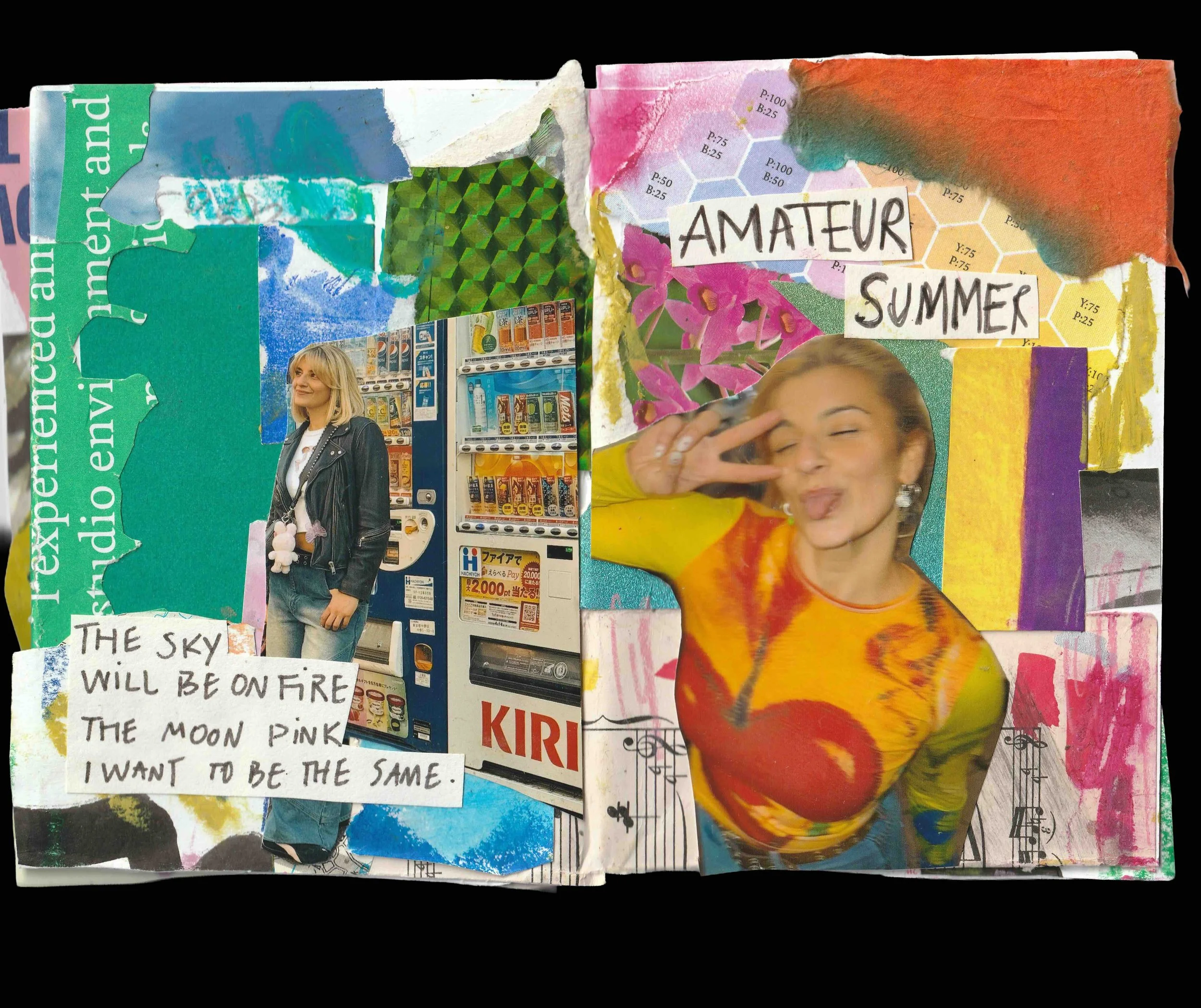
Abandoning perfection
A zine will never ask you to be polished or have it all figured out. Instead, it calls you back to yourself, inviting you to exist in a state of becoming: transforming, unfolding, returning. These processes are slow and never finite and most importantly, they challenge capitalist ideals of perfection and productivity. You don't need a plan to make a zine, you just need yourself and your experiences. You’re worthy of a place on a page, don't underestimate your life.
After making zines for over ten years, I can see all the different versions of myself reflected in them. As I flick through pages, I move through time and build new conversations with the lives I've inhabited, without the need to end them with a conclusion. Once archived in zines, feelings and experiences become documents we can learn from and ultimately let go of. In doing so, we make more space for living and welcoming new experiences.
Making zines has taught me that vulnerability is messy, but it's the only thing worth anything. In a world that asks us to constantly perform, choosing to feel and be vulnerable is an act of resistance. When you sit down and unearth your own depth, you refuse numbness and embrace being alive.
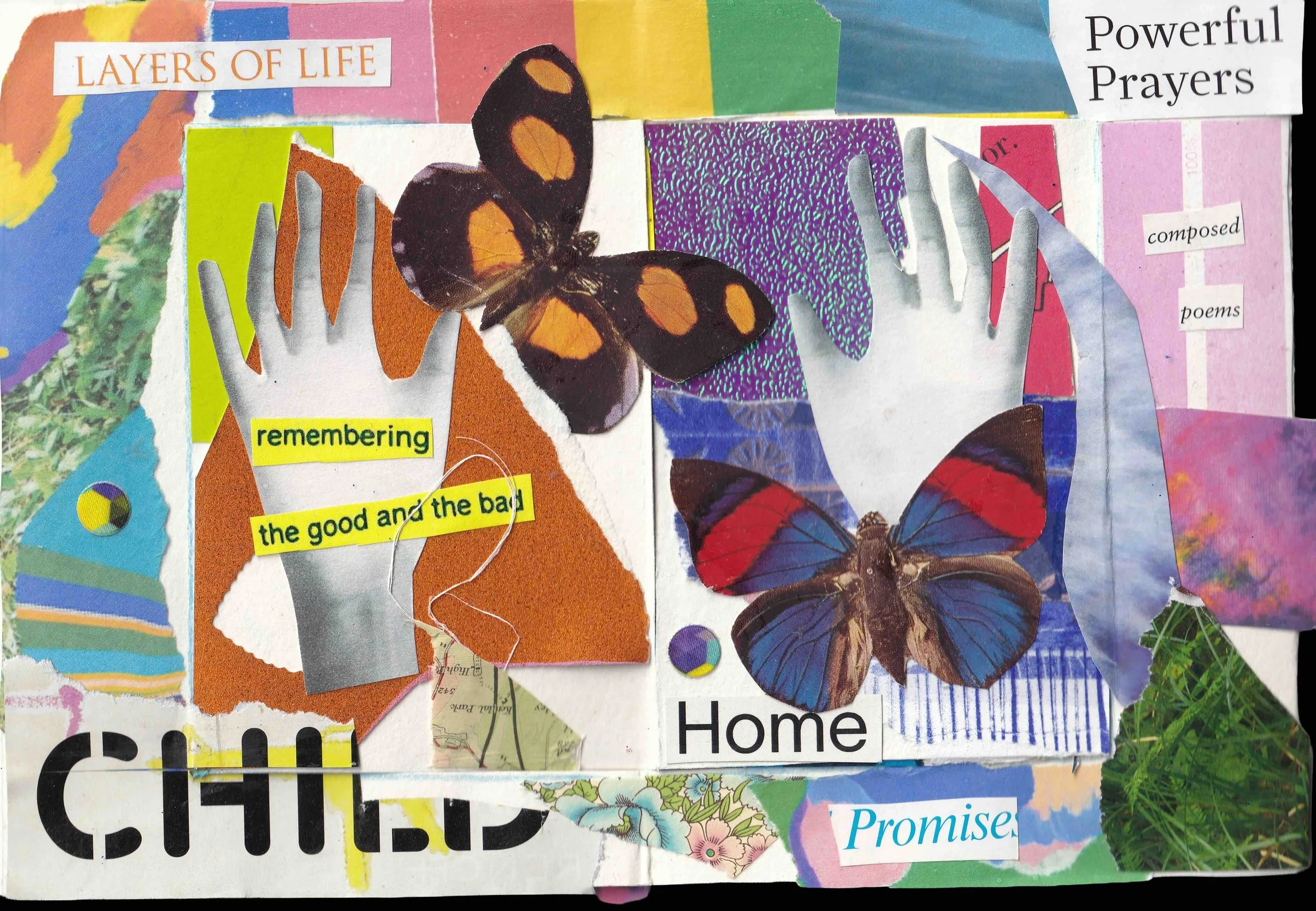
Witnessing yourself
I like to call zine-making truth-making, because there's something so satisfying about seeing your own thoughts become clear and tangible. When I make zines, I'm trying to be honest and confessional; it's the first place I go to tell the truth. With practice, zines become instruments for building language and self-mythology. You start to see yourself in the layers of collage, in all the scraps you've brought together on a page that didn't exist before.
I always recommend starting with analogue zine-making before digital. It allows you to be more present in your creative process and anchor it in felt expression and materiality. In this way, all the handmade details, textures, colours and images we construct can reveal how we feel about something, and all that we contain. You're more than just one person, so make room for all your multitudes in a zine. Cut and paste your way into wholeness.
Make zines for yourself first, without the pressure of sharing them. Be your own witness before anyone else. I've made many zines that I refuse to share, not because they're not good, but because they're so intimate that they deserve to be seen only by me. And there's nothing wrong with that.
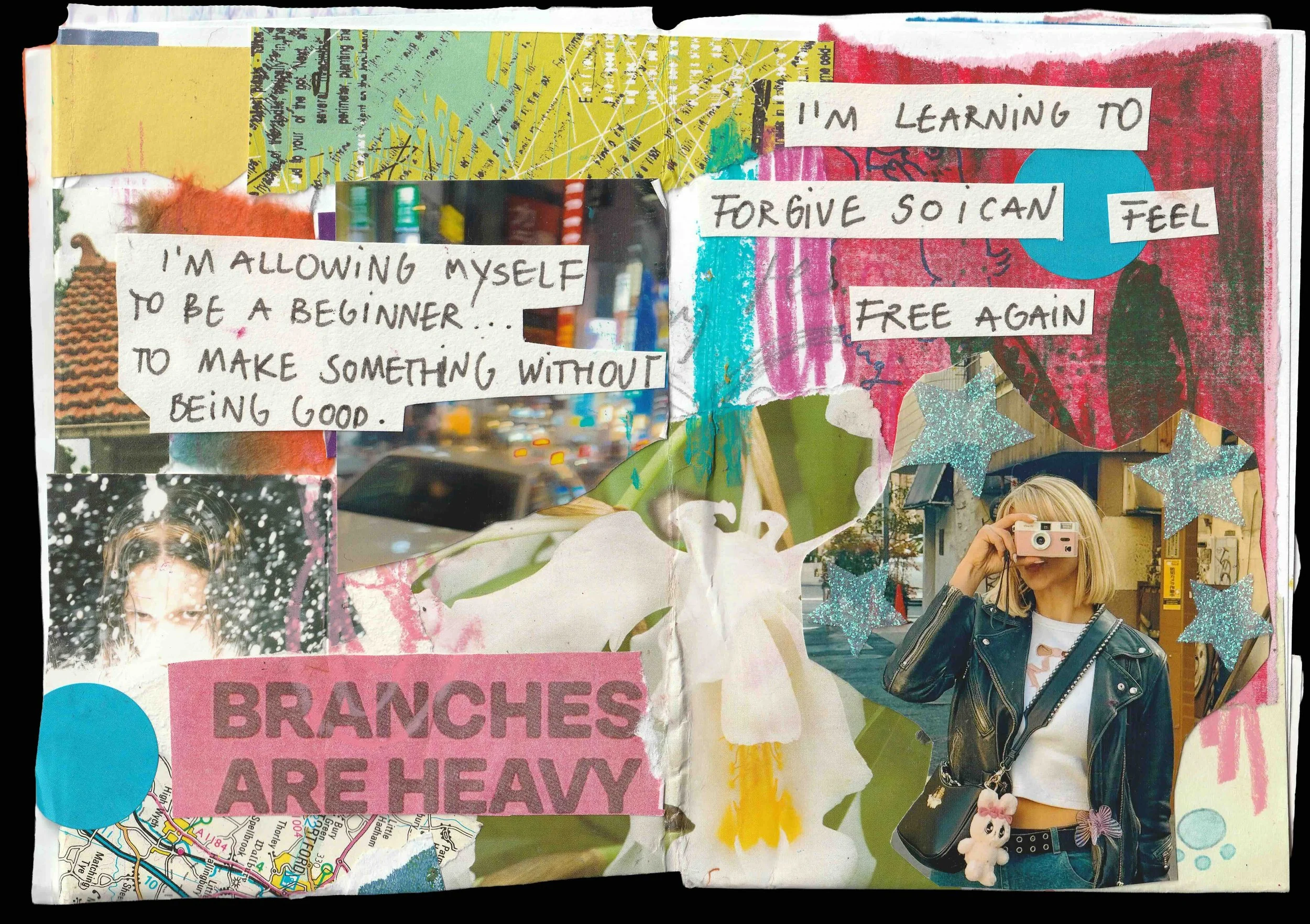
Dreaming
Make zines to imagine and dream. A lot of my zines embrace the idea of dreamscapes: spaces where I can find refuge and remind myself that I'm entitled to dreaming. These zines don't follow linear storytelling because, just like dreams, they don't always have to make sense.
Self-expression is connected to the subconscious, and creating intuitively without a narrative can lead to rewarding experiences. Find out what happens when you let go of the need to understand what you're making and allow yourself to dream on the page.
A zine grows from flat to full. In much the same way, zines can expand our creative capacity and deepen our relationship with ourselves. But the best way to understand what zines can do for us is to make one. So here's how I'd begin: Forget about making something good. Make something honest. What would you put on the page if you stopped worrying about how it might be received?
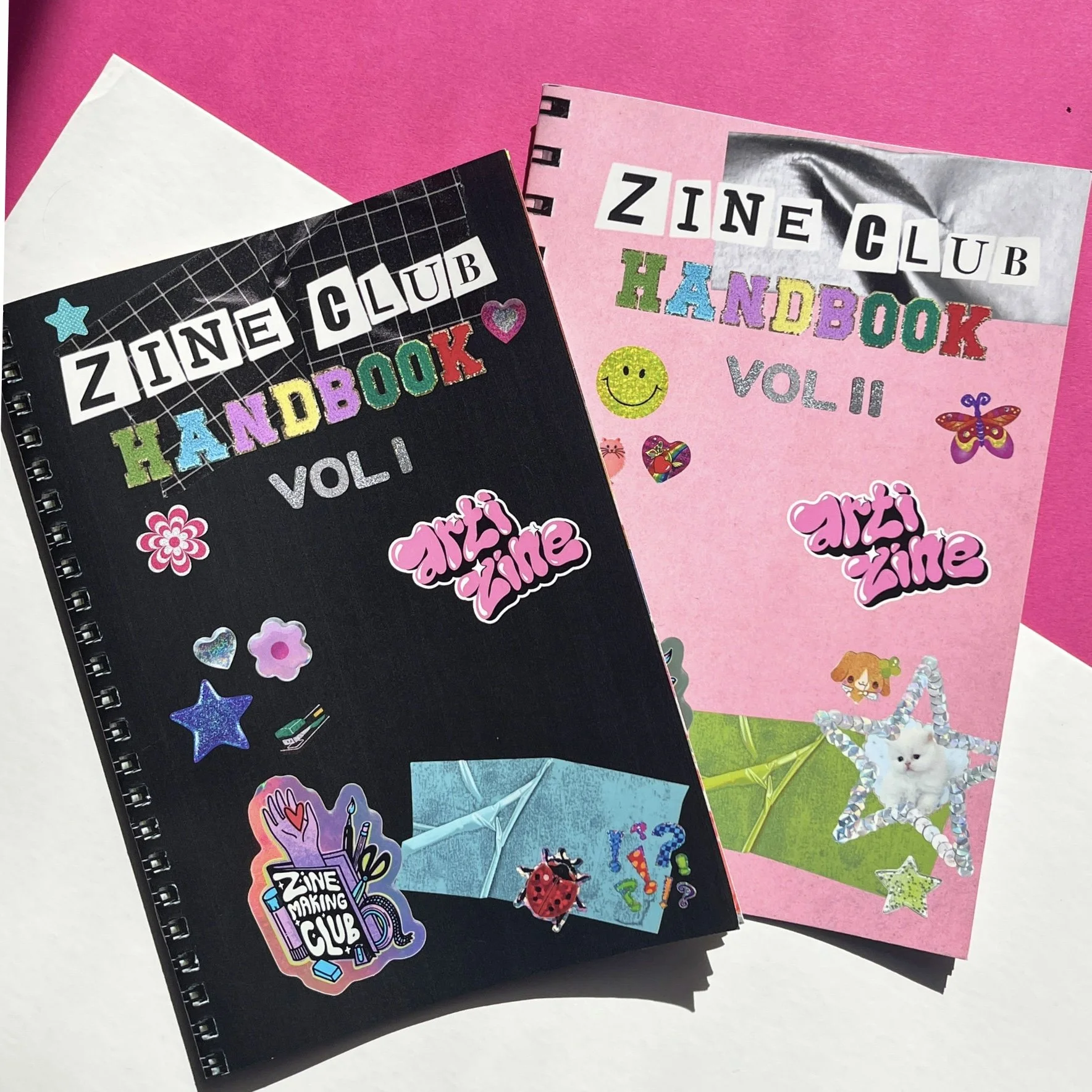
Learn more zine folds and techniques in Artizine’s Zine Club Handbooks
Ioana Simion (she/her) is the founder of Artizine, an artist-led creative practice exploring storytelling, self-expression and the possibilities of DIY publishing. She runs Artizine Club, a regular zine-making gathering in London and online, and has created two zine handbooks filled with folding techniques prompts and ideas to help you develop your own practice, available at artizine.bigcartel.com.